The Millionaires’ City Swallowed by the Desert: Why Did People Leave Everything Behind?
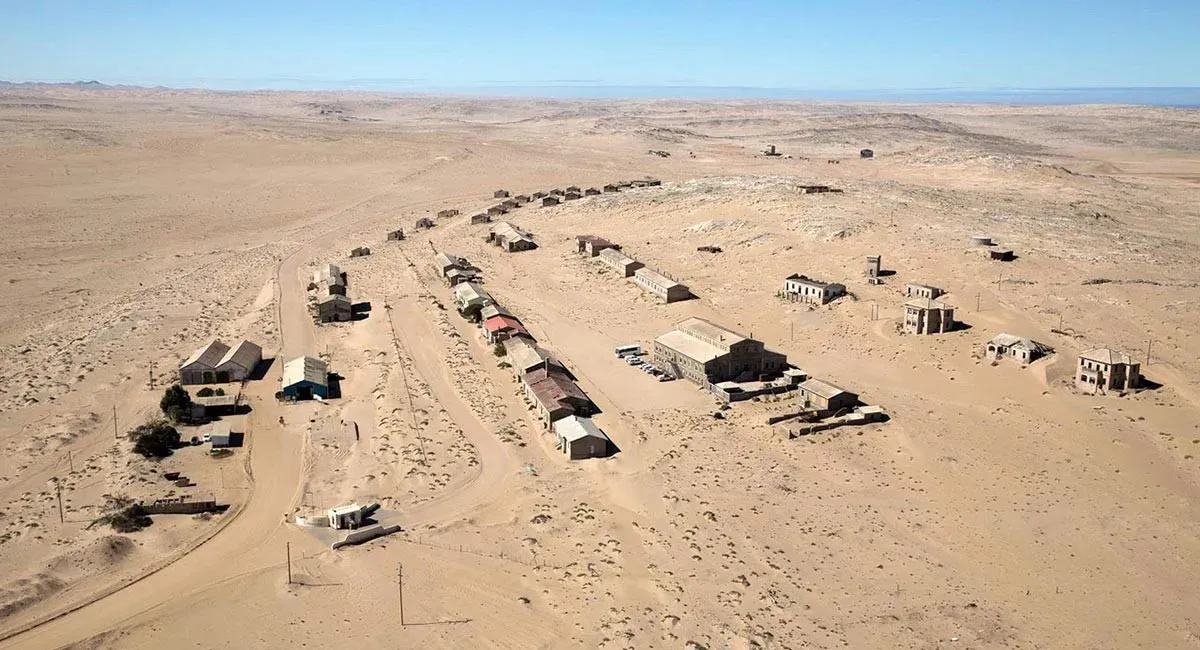
If you ever find yourself in southern Africa, deep in the heart of the barren Namib Desert, you might stumble upon a surreal sight. Elegant European-style mansions stand frozen in time, surrounded by endless dunes and scorching sun.
Step inside one of these abandoned homes, and you’ll see vintage clawfoot bathtubs, faded luxury wallpaper, and ornate door frames. But instead of floors, massive waves of sand fill the rooms—sometimes reaching nearly to the ceiling. How did such a wealthy city end up in the middle of nowhere, and why did its people vanish?
A Glittering Discovery in the Sand
The story of Kolmanskop began in 1908 with a simple accident. A railway worker named Zacharias Lewala, clearing sand from the tracks, noticed a strange sparkling stone. He showed it to his supervisor. It was a diamond.
And not just one. The area was so rich in diamonds that they could literally be picked up from the surface—especially on moonlit nights when they shimmered in the sand. News spread quickly, and fortune seekers rushed into the lifeless desert.
A Luxury Oasis in the Wilderness
Within just a few years, a tent camp transformed into one of the richest towns in the region—Kolmanskop. German miners who suddenly became millionaires wanted to live in full European comfort, despite being surrounded by one of the harshest deserts on Earth.
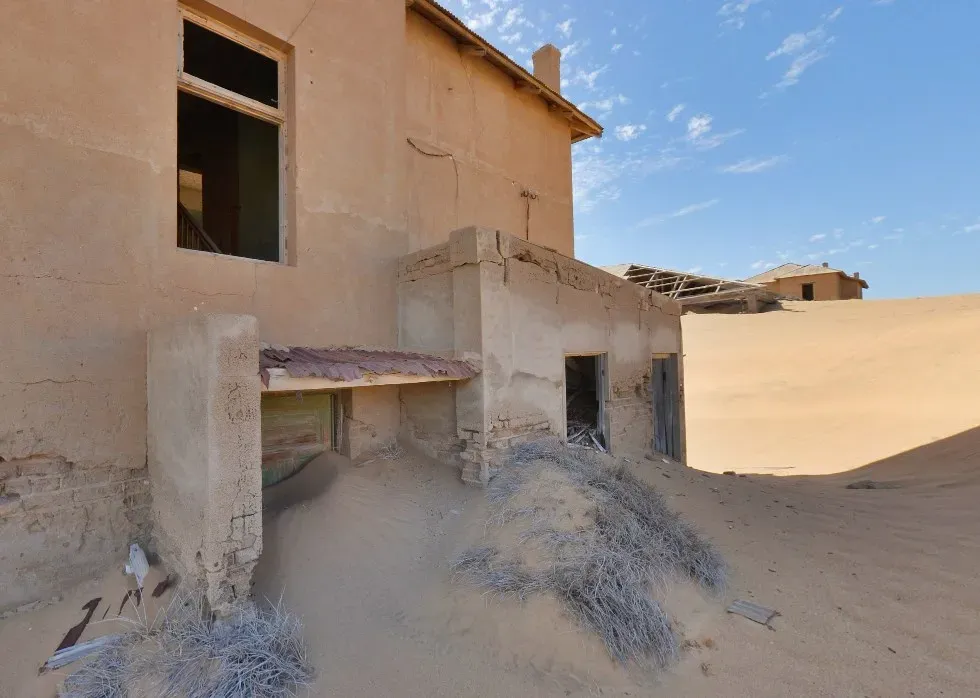
They built grand homes, a hospital (featuring the first X-ray machine in the Southern Hemisphere), a school, a theater, a casino, and even a bowling alley. Every day, trains delivered tons of ice, fresh water, champagne, and even caviar. It was an oasis of unimaginable luxury in the middle of nowhere.
The Sudden Exodus
So why did it all end?
By the 1930s, the diamond deposits around Kolmanskop began to run dry. Collecting stones from the surface was no longer possible—deep and expensive mining was required.
Then came the final blow.
In 1928, even richer diamond fields were discovered hundreds of kilometers to the south. Almost overnight, people began leaving Kolmanskop.
Many families departed in such a hurry that they abandoned furniture, dishes, and personal belongings. Transporting them across the desert cost more than replacing them elsewhere. By 1956, the last resident had left.
When Nature Takes Back Control
Once the people were gone, the desert slowly reclaimed its land. Wind carried sand through broken windows and open doors, filling the once-luxurious homes room by room.
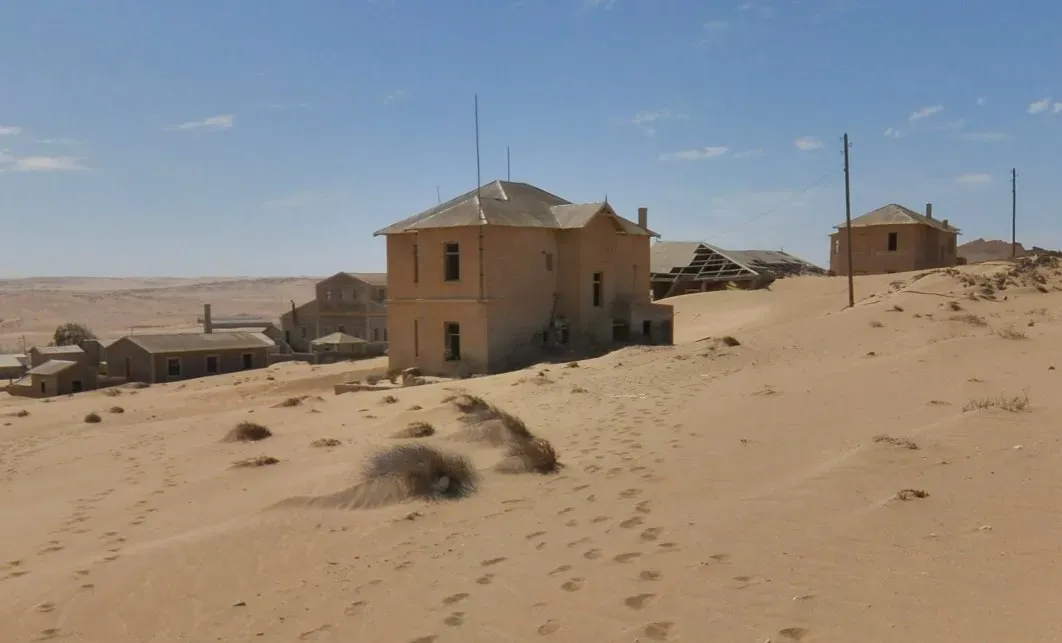
Today, Kolmanskop is a ghost town—a haunting open-air museum and a paradise for photographers. Visitors walk through silent rooms buried in sand, witnessing how nature gradually erases the traces of human ambition and wealth. It’s a place where time stopped… and the desert never did.